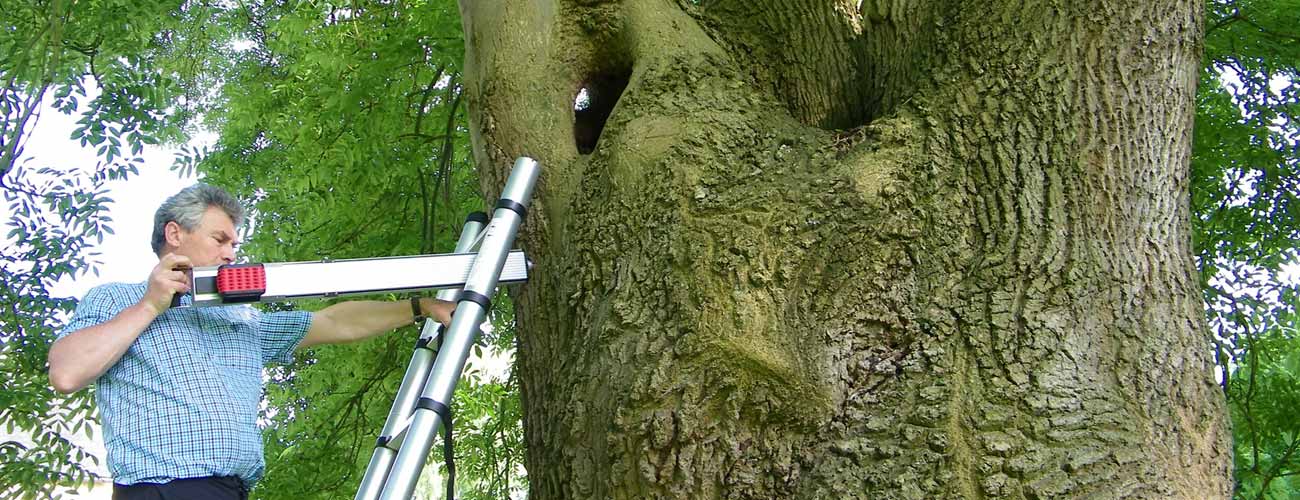

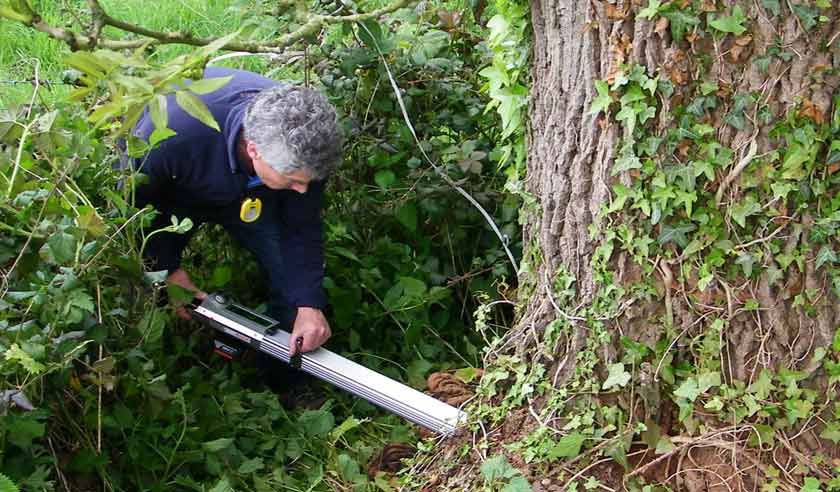
Have used Resistograph and Sonic Tomograph for over fifteen years
Tree Decay Detection tests are specialist tree decay investigations carried out when trees cannot be fully assessed by visual means and internal wood decay is suspected.
If internal tree decay is suspected then it is normally prudent to carry out specialist tests using either the 'Resistograph' decay detection drill or Sonic Tomograph. Arborists are then able to assess any internal wood decay.
The 'Resistograph' is a highly versatile piece of equipment which measures the strength of the wood by its resistance to drilling. It can be used in a variety of situations, including in the crown of a tree, at any height on the main stem or below ground as part of root investigations.
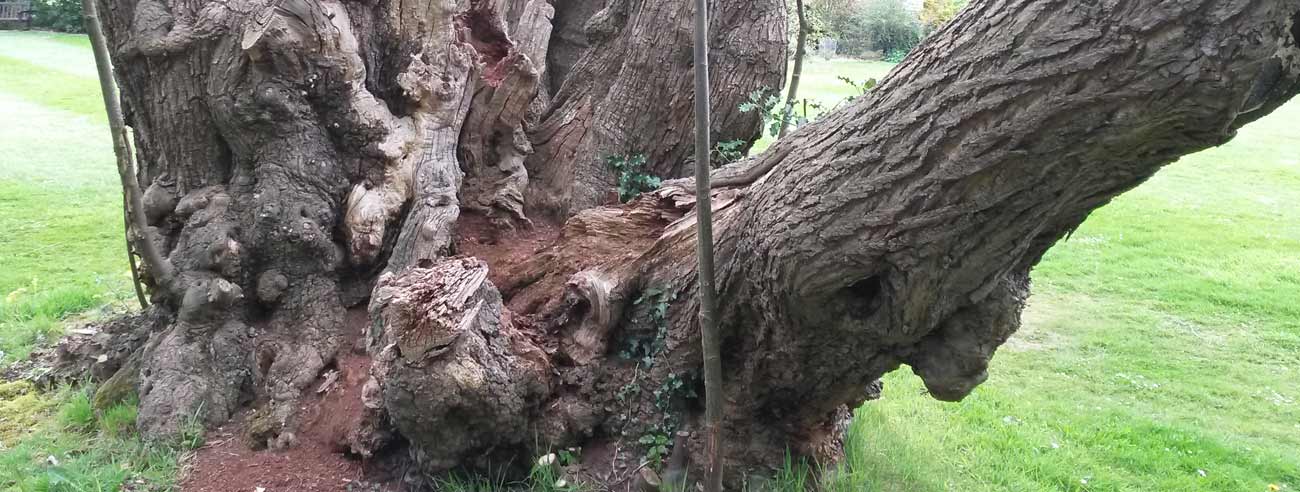
An ancient and notable Sweet Chestnut – A typical candidate for the Sonic Tomograph
The Sonic Tomograph is more limited in its application although it does provide very detailed information in the form of a two dimensional coloured image representing the inside of the tree. This equipment is generally used on large or particularly important specimen trees. (In certain circumstances the ideal option is to use both pieces of equipment).
We have owned and have been using the Resistograph and Sonic Tomograph for over 15 years, during which time Robert Yates has amassed a large database of trees with varying degrees of decay. It is important to point out that of the many hundreds of trees that we have tested the proportion that are subsequently condemned is only around 10%.
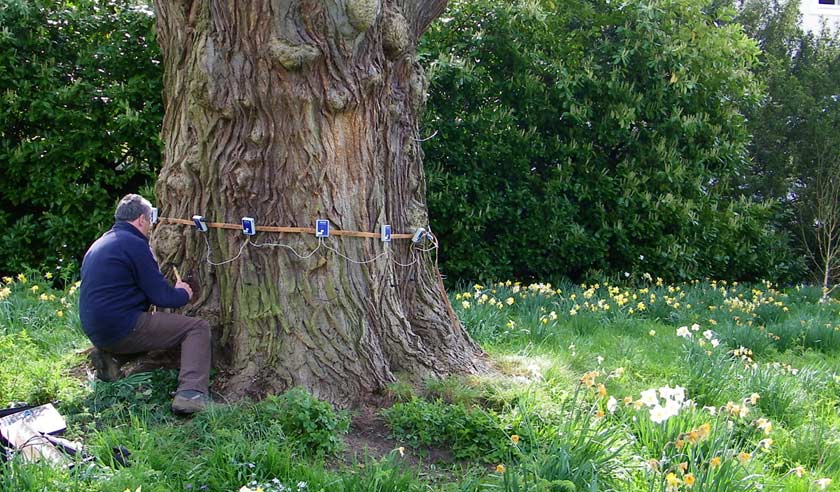
Testing for decay using a Sonic Tomograph
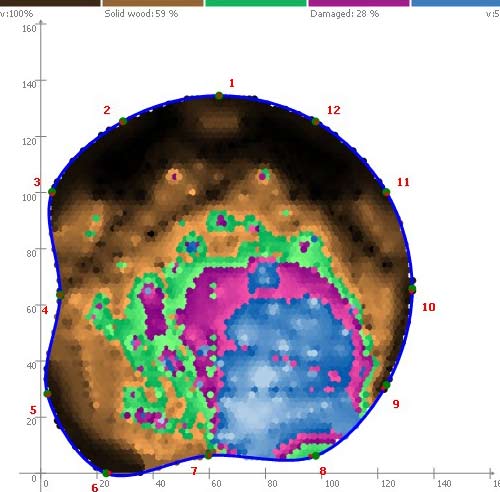
Image produced by Sonic Tomograph
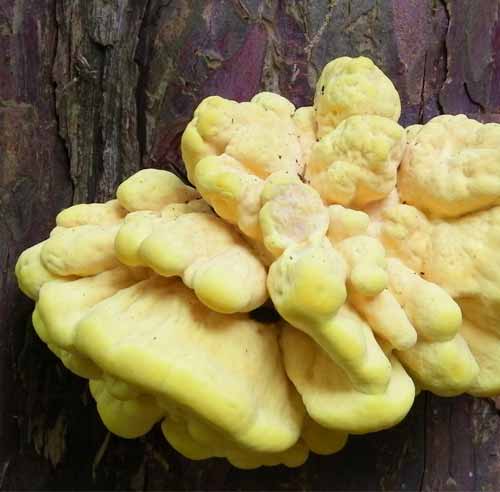
Chicken of the Woods fungus on Yew
Video showing the Sonic Tomograph being used


